Car accidents are stressful, unexpected, and often overwhelming. In the moments that follow, most drivers are focused on safety, insurance, and getting back to normal as quickly as possible. What many people don’t realize is that the decisions made immediately after an accident can have long-term effects on both the safety and performance of their vehicle.
From evaluating visible damage to choosing the right professionals for the job, every step matters. Even minor collisions can lead to hidden issues that worsen over time if not properly addressed. Understanding how the repair process works gives you more control, helps you avoid unnecessary costs, and ensures your vehicle is restored to a safe and reliable condition.
This guide walks you through everything you need to know—from the initial assessment to long-term maintenance—so you can make confident, informed decisions every step of the way.
Assess Damage Immediately and Document Everything
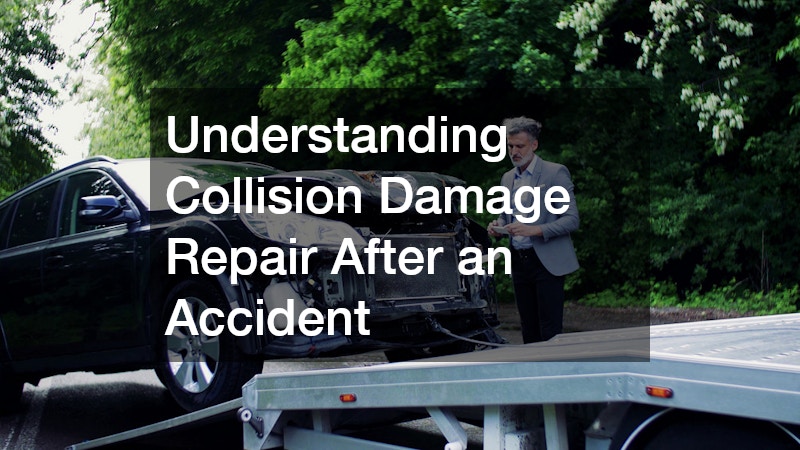
After an accident, your first priority should always be safety, but once that is secured, taking the time to properly assess your vehicle is critical. Many drivers underestimate how much damage can occur even in minor collisions, especially when issues are not immediately visible. A careful evaluation helps you understand the extent of the problem and ensures nothing is overlooked before moving forward. It also creates a strong foundation for insurance claims and repair planning. Acting quickly but thoughtfully in this stage can prevent delays later and help guide the entire collision damage repair process. This step is not just about identifying damage—it’s about protecting yourself legally and financially.
Start by walking around your vehicle and noting any visible damage such as dents, scratches, broken lights, or leaking fluids. However, don’t assume that what you see is the full picture. Many issues—especially structural or internal problems—are not immediately obvious.
Here’s a practical checklist to follow:
- Take clear photos from multiple angles, including close-ups and wide shots
- Capture images of the surrounding scene, road conditions, and other vehicles
- Write down the time, location, and details of the incident
- Listen for unusual sounds when the vehicle is running
- Check for fluid leaks underneath the car
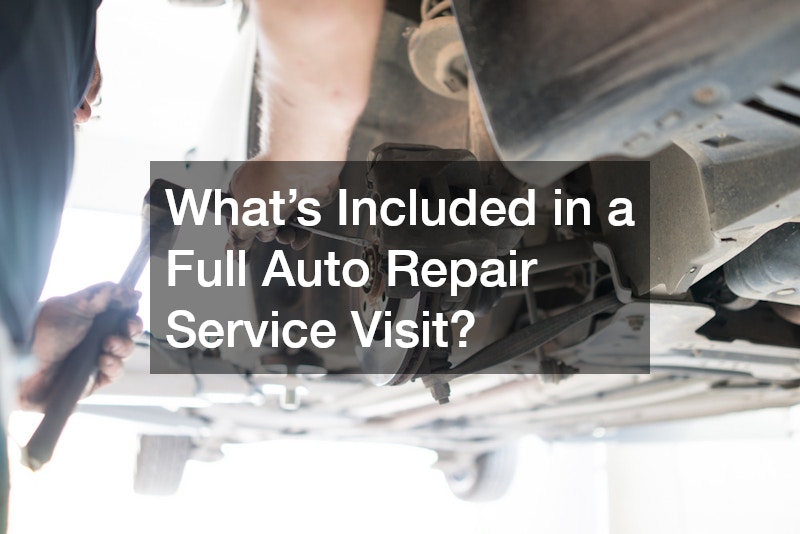
A professional vehicle inspection is essential before moving forward. Certified technicians can identify hidden issues like frame misalignment, suspension damage, or compromised safety systems. Beginning the repair process early—after proper documentation—helps prevent further deterioration and supports a smoother insurance claim.
Decide Whether Your Car Is Safe to Drive

Determining whether your car is safe to drive after an accident is one of the most important decisions you will make. Even if your vehicle appears functional, underlying issues can pose serious risks on the road. Many drivers assume that if the engine starts and the car moves, it is safe—but this can be a dangerous misconception. Damage to critical systems like steering or braking can make driving unpredictable or unsafe. Taking a cautious approach helps prevent further accidents and protects both you and others.
Pay close attention to warning signs such as:
- A soft or unresponsive brake pedal
- Grinding or squealing noises when stopping
- Steering pulling to one side
- Dashboard warning lights
- Unusual vibrations or shaking
Your braking system is especially vulnerable during a collision. Even a low-speed impact can affect components like brake lines, calipers, or rotors, making brake repairs necessary sooner than expected. If you notice any issues at all, it’s best to avoid driving and arrange for towing. A qualified auto brake repair service can inspect the system thoroughly and determine whether repairs or replacements are needed. Addressing these concerns early ensures your safety and helps avoid more extensive damage down the road.
Choose a Repair Shop You Can Trust
Finding the right professionals to restore your vehicle is a decision that should not be rushed. The quality of the repairs you receive will directly impact your vehicle’s safety, performance, and longevity. Not all shops offer the same level of expertise, and choosing the wrong one can lead to incomplete or substandard work. Taking the time to research your options ensures that your car is in capable hands. A reliable shop will prioritize transparency, communication, and high-quality workmanship.
When evaluating your options, look for:
- Certified technicians with industry-recognized credentials
- Positive online reviews and testimonials
- Transparent estimates and clear communication
- Warranties on both parts and labor
- Experience handling insurance claims
A reputable auto repair shop will take the time to explain the process and answer your questions thoroughly. Facilities that offer comprehensive automotive repair services are better equipped to handle both visible and hidden damage. Choosing a shop based on quality rather than price alone ensures that your vehicle is restored properly.
Understand the Full Scope of Body Damage

After a collision, it’s easy to focus on what you can see, such as dents or scratches, but the real concern often lies beneath the surface. Damage can extend far beyond cosmetic issues and affect the structural integrity of your vehicle. Understanding the full scope of the damage helps you make informed decisions about repairs and prevents long-term complications. Modern vehicles are designed with complex systems that absorb impact, and these systems can be compromised even in minor accidents. Taking the time to fully evaluate the damage ensures nothing is overlooked.
Common types of damage include:
- Surface damage: dents, chipped paint, cracked bumpers
- Structural damage: bent frames, misaligned panels
- Hidden damage: internal components affected by impact force
Professional auto body repairs go beyond appearance by restoring alignment and reinforcing structural components. Delaying necessary auto body repairs can lead to uneven tire wear, poor handling, and increased risk in future accidents. Addressing these issues promptly ensures your vehicle performs as intended. A thorough repair approach protects both your safety and the longevity of your car.
Navigate Insurance Claims Without Delays
Dealing with insurance after an accident can feel overwhelming, especially if you are unfamiliar with the process. However, taking a proactive and organized approach can significantly reduce stress and speed up approvals. Understanding what your insurance company requires helps you avoid common delays and ensures your claim is processed efficiently. Clear communication between you, your insurer, and your repair provider is essential. Staying informed throughout the process allows you to advocate for yourself and make confident decisions. This step plays a key role in getting your vehicle back on the road as quickly as possible.
To streamline the process:
- Contact your insurance provider immediately
- Provide detailed documentation and photos
- Keep records of all communications
- Request a clear and itemized estimate
Many providers of auto repair services work directly with insurance companies to coordinate approvals and payments. This collaboration can make the process smoother and reduce your workload. High-quality automotive repair services also ensure that repairs meet proper standards, which is important for long-term reliability. Being organized and proactive helps you avoid unnecessary complications and keeps everything moving forward efficiently.
Know the Timeline and Step-by-Step Repair Process
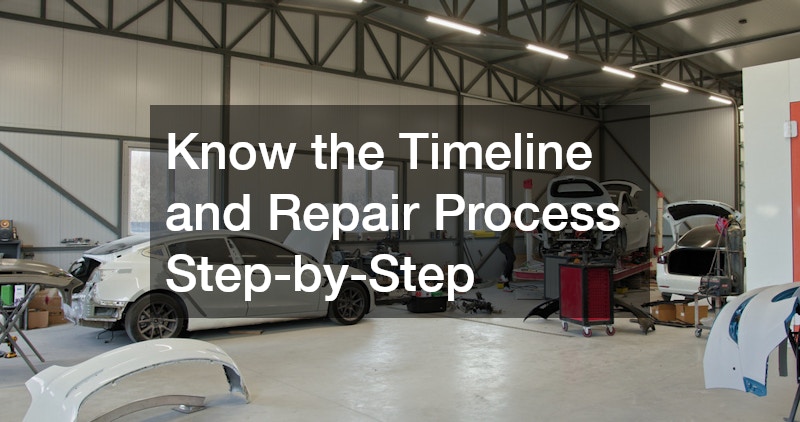
Understanding how long repairs will take and what each stage involves can help you manage expectations and reduce frustration. While every situation is unique, most repair processes follow a similar structure that includes inspection, approval, and restoration. Knowing what to expect allows you to plan transportation and stay informed throughout the process. Delays can happen due to parts availability or insurance approvals, but clear communication helps minimize surprises. Being aware of each phase also gives you more confidence in the work being performed.
Typical stages include:
- Initial inspection and estimate
- Insurance approval
- Disassembly and deeper assessment
- Parts ordering
- Structural and cosmetic repairs
- Painting and refinishing
- Final quality checks
The timeline for collision damage repair can vary depending on the severity of the damage and the complexity of the work required. Reliable auto repair services will keep you updated and provide realistic timelines. Asking for regular updates ensures you are never left wondering about progress.
Pay Attention to Hidden Mechanical Issues
Not all damage is visible immediately after an accident, and some issues may take time to reveal themselves. Hidden mechanical problems can affect your vehicle’s performance and safety if left unaddressed. These issues often involve critical systems that require careful inspection and testing. Being proactive about identifying these problems helps prevent more serious complications later. Even if your car seems fine initially, it’s important to remain vigilant and monitor its behavior.
Areas commonly affected include:
- Suspension systems
- Steering components
- Braking systems
- Wheel alignment
A follow-up vehicle inspection is essential to ensure that all systems are functioning properly. Ignoring early warning signs can lead to more extensive brake repairs or other mechanical failures. Watch for changes in how your car drives, sounds, or responds. Addressing these issues early helps maintain safety and prevents further damage from developing over time.
Special Considerations for Luxury and European Vehicles

Luxury and European vehicles often require a higher level of expertise due to their advanced engineering and specialized components. These vehicles are designed with precision systems that demand careful handling during repairs. Standard repair methods may not be sufficient, making it important to work with experienced technicians. Understanding these unique requirements helps ensure that your vehicle is restored properly. Investing in specialized care protects both performance and long-term value.
Key considerations include:
- Advanced safety and driver assistance systems
- Specialized parts and materials
- Manufacturer-specific repair procedures
For example, audi repairs often involve recalibrating sensitive electronic systems to ensure proper functionality. Similarly, Land Rover repairs may require expertise in handling complex suspension and terrain response systems. Choosing technicians with experience in these vehicles ensures accurate and reliable repairs. This level of care helps maintain the performance and integrity that luxury vehicles are known for.
Verify Repair Quality Before Driving Away
Before taking your vehicle back, it’s important to carefully review the work that has been completed. This step ensures that everything meets your expectations and that no issues have been overlooked. Many drivers feel rushed during pickup, but taking your time can prevent future problems. A thorough inspection allows you to address concerns immediately rather than discovering them later. This is your opportunity to confirm that the repairs were done correctly. Being diligent at this stage helps protect your investment.
Use this checklist:
- Check paint color and finish consistency
- Ensure panels are properly aligned
- Test lights, signals, and electronics
- Listen for unusual noises during a test drive
- Confirm all agreed-upon repairs were completed
High-quality auto body repairs should restore both appearance and functionality. A reputable auto repair shop will review the work with you and answer any questions you may have. If something doesn’t seem right, speak up and request clarification or adjustments. Taking this extra time ensures your vehicle is truly ready for the road.
Prevent Future Issues With Smart Maintenance Habits
Once your vehicle has been repaired, ongoing maintenance becomes essential for preserving its condition. Accidents can put additional strain on various components, making regular care even more important. Developing good maintenance habits helps prevent new issues from developing and ensures your car remains reliable. Staying proactive allows you to catch small problems before they become major repairs. This approach not only improves safety but also extends the life of your vehicle. Consistent care is key to long-term performance.
Key maintenance tips include:
- Schedule routine inspections
- Monitor tire condition and alignment
- Pay attention to unusual sounds or changes
- Address minor issues promptly
Working with a trusted auto brake repair service ensures your braking system stays in optimal condition over time. Regular visits for auto repair services also help maintain overall performance and reliability. Keeping detailed records of maintenance can be beneficial for future resale or warranty purposes. By staying consistent with care, you can enjoy greater peace of mind and avoid unexpected problems.
Getting Back on the Road With Confidence
Recovering from an accident involves more than simply fixing what is visible—it requires a thoughtful and thorough approach to restoring your vehicle. Each step, from initial assessment to long-term maintenance, plays a role in ensuring your car is safe and dependable. Taking the time to make informed decisions helps you avoid common mistakes and unnecessary expenses. It also gives you greater confidence in the condition of your vehicle once repairs are complete.
By working with qualified professionals, staying proactive about inspections, and maintaining your vehicle properly, you can extend its lifespan and protect your investment. The goal is not just to return your car to the road, but to ensure it performs reliably for years to come.