Owning a car means dealing with more than fuel costs and regular oil changes. Over time, everyday driving exposes your vehicle to potholes, harsh weather, road debris, careless drivers, parking-lot hazards, and normal mechanical wear. Some damage is unavoidable, but many expensive repairs begin with small problems that could have been identified and addressed much earlier.
The good news is that protecting your vehicle does not require constantly spending money on premium services or complicated maintenance. Consistent inspections, sensible driving habits, timely repairs, and basic exterior care can make a significant difference. The goal is to identify potential problems before they become emergencies and to understand which issues require professional attention.
A proactive approach can also help you avoid being caught off guard by a large repair bill. When you know what to watch for and when to act, you can make informed decisions about maintenance rather than waiting until a warning light, unusual noise, or visible damage forces you into an urgent repair.
Build a Maintenance Routine Around Your Car’s Needs
One of the most effective ways to prevent costly damage is to follow a maintenance schedule based on your vehicle’s age, mileage, manufacturer recommendations, and driving conditions. Your owner’s manual is the best starting point because it identifies recommended intervals for oil changes, fluid inspections, filter replacements, tire rotations, and other services. Vehicles that frequently tow, idle in traffic, drive on rough roads, or operate in extreme temperatures may require more frequent attention.
Create a simple record of completed maintenance. You can use a notebook, spreadsheet, or phone app to track dates, mileage, services performed, and parts replaced. This makes it easier to spot patterns and prevents important maintenance from being forgotten. It can also provide useful documentation when selling the vehicle.
Regularly inspect basic components yourself. Check tire pressure when the tires are cold, look for unusual tread wear, inspect fluid levels, and pay attention to warning lights. Look under the vehicle occasionally for fresh puddles or stains. A new leak can be an early indication of a problem that becomes much more expensive if ignored.
When something seems unusual, consult qualified auto mechanics rather than guessing at the cause. A small diagnostic expense can be worthwhile if it prevents a major failure. It is also useful to understand what your car insurance covers and what it does not. Insurance can help with certain unexpected losses, but routine maintenance and ordinary wear generally remain the owner’s responsibility. Knowing your coverage before an incident occurs can prevent unpleasant surprises.
Catch Transmission Problems Before They Become Major Repairs

Transmission problems can become expensive quickly, particularly when a relatively minor issue is allowed to damage additional components. Drivers should pay attention to changes in how the vehicle shifts. Delayed engagement, slipping between gears, harsh or jerky shifts, unusual whining or clunking sounds, and difficulty selecting gears can all indicate a problem.
Fluid leaks deserve immediate attention as well. Transmission fluid may appear red, pink, brown, or another color depending on the vehicle and fluid type, so color alone is not enough for diagnosis. A qualified technician can determine whether a leak exists and identify its source. Driving with insufficient fluid can increase friction and heat, potentially accelerating internal wear.
Your driving habits also influence transmission longevity. Avoid repeatedly accelerating aggressively from a stop, carrying loads beyond the vehicle’s recommended capacity, or continuing to drive when the transmission is overheating. If your vehicle has a specific towing mode, use it when appropriate and follow the manufacturer’s recommendations for towing.
Scheduled auto transmission service can help identify fluid deterioration, leaks, worn components, and other concerns before they become severe. Not every vehicle uses the same transmission fluid or follows the same service interval, so avoid assuming that advice for one model applies to another. Following the manufacturer’s requirements is safer than relying on generic maintenance schedules.
Reduce Collision Risk With Smarter Driving Habits
Preventing a crash is one of the best ways to avoid a major repair bill. Defensive driving starts with leaving enough space between your vehicle and the one ahead. A greater following distance gives you more time to react when traffic suddenly stops, someone changes lanes unexpectedly, or road conditions deteriorate.
Speed should also match conditions rather than simply following the posted limit. Rain, snow, ice, standing water, fog, construction zones, and heavy traffic can all increase stopping distances. Slow down when necessary and make your movements predictable to other drivers.
Distraction is another major source of preventable risk. Put your phone away before driving and avoid activities that take your eyes or attention off the road. Even a moment of inattention can be enough to cause a low-speed collision.
Parking deserves attention too. Whenever possible, choose spaces with adequate room on both sides of the vehicle. Avoid parking directly beside vehicles that are poorly positioned or visibly difficult to maneuver around. In crowded lots, walking a little farther to find a less congested space may be worthwhile.
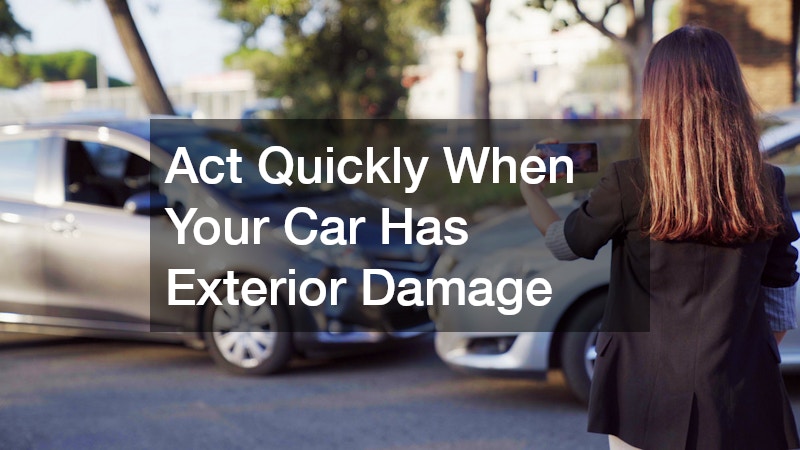
If an accident does happen, document the scene carefully. Take photographs of the vehicles, surrounding area, road conditions, and visible damage. Exchange required information and follow the appropriate reporting and insurance procedures. If repairs are needed, a reputable collision shop can evaluate visible and hidden damage and help determine the appropriate repair process.
Act Quickly When Your Car Has Exterior Damage
Exterior damage is not always just cosmetic. A damaged bumper, cracked panel, exposed metal, or compromised paint can leave vulnerable areas exposed to moisture and road contaminants. Over time, this can contribute to corrosion and make a relatively small repair more complicated.
After an incident, inspect the vehicle in good lighting. Look beyond the most obvious dent or scratch. Check whether panels are misaligned, doors or the trunk open normally, lights still function, and the vehicle’s safety-related features appear intact. If something feels different when driving, such as unusual vibration or pulling, have the vehicle inspected rather than assuming the issue is limited to the body.
Photograph damage before cleaning or repairing the vehicle. Wide shots provide context, while close-ups show scratches, dents, cracks, and other details. Keep copies of estimates, invoices, and repair documentation as well.
Professional auto body repair is appropriate when damage affects structural components, panel alignment, paint, bumpers, doors, or other exterior parts beyond what can safely be handled with a minor cosmetic fix. Ask the repair facility to explain what needs to be repaired, which parts will be replaced, and whether the work includes paint matching or refinishing.
Do not automatically choose the lowest estimate. A significantly cheaper quote may involve differences in parts, materials, labor, or the scope of work. Compare estimates carefully and ask questions if one proposal differs substantially from another.
Protect Your Windshield and Windows From Small Chips
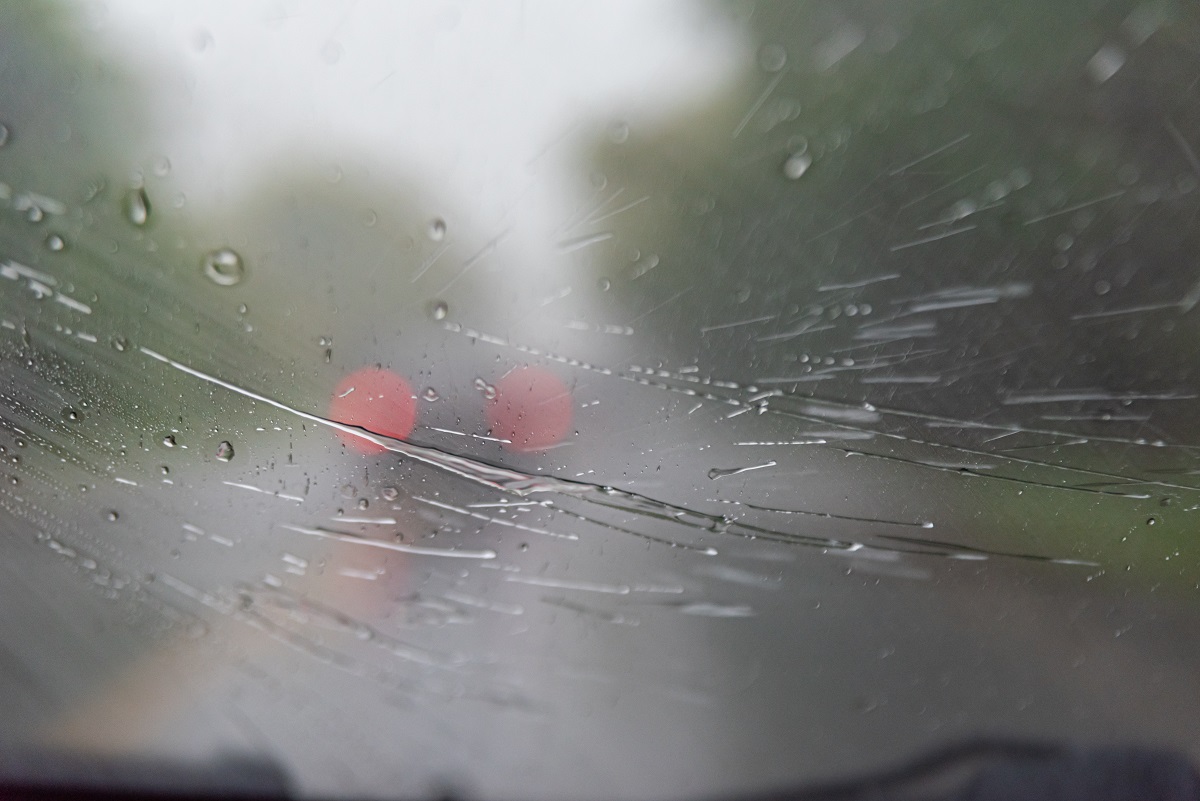
Windshield damage can begin with something as small as a chip caused by gravel or road debris. It may not seem urgent, particularly if it is outside the driver’s direct line of sight. However, vibration, temperature changes, moisture, and additional impacts can cause a chip to spread into a much longer crack.
Inspect the windshield regularly, especially after driving on gravel roads or behind trucks carrying loose materials. If you notice a new chip or crack, avoid putting off an inspection. The sooner a professional evaluates it, the more likely it may be possible to address the damage before it spreads.
Do not pour hot or cold water over damaged glass in an attempt to clean it or change its temperature. Sudden temperature changes can place additional stress on already compromised glass. Likewise, avoid pressing on a damaged area or using improvised repair methods that could make professional repair more difficult.
An auto glass replacement service can determine whether the windshield or another piece of vehicle glass can be repaired or needs replacement. The decision may depend on the size, depth, location, and type of damage, as well as the vehicle’s glass technology. Modern windshields may incorporate cameras, sensors, or other systems that require proper calibration after replacement.
Prevent Small Dents and Scratches From Becoming Bigger Problems
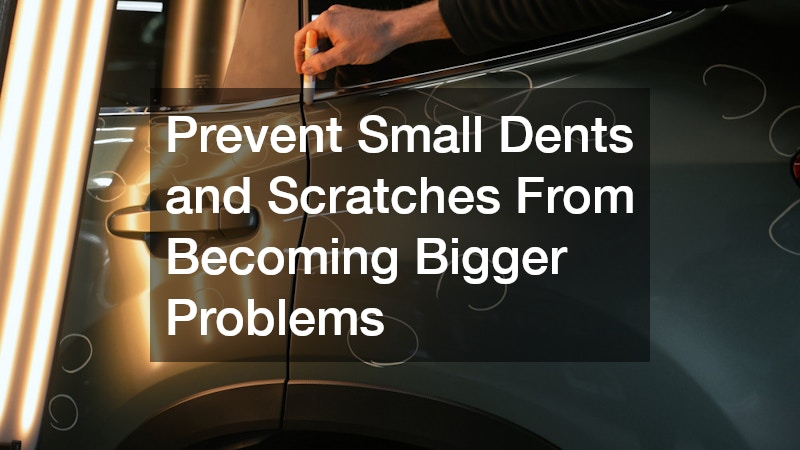
Minor dents and scratches are among the most common forms of vehicle damage. Shopping carts, narrow parking spaces, falling branches, hail, road debris, and other drivers can all leave marks on a car. While a small dent may not affect drivability, addressing exterior damage promptly can help prevent more serious deterioration.
Scratches deserve particular attention when they penetrate through the paint. Automotive paint provides a protective barrier, so damage that exposes underlying metal can eventually create an opportunity for corrosion. If you notice exposed metal, peeling paint, or a deep scratch, have it assessed instead of assuming it can wait indefinitely.
For shallow dents where the paint remains intact, professional dent repairs may restore the panel without requiring extensive refinishing. The appropriate method depends on the location, depth, size, and condition of the panel. More severe damage may require conventional bodywork and repainting.
Prevention is equally important. Park farther from crowded entrances when practical, avoid leaving valuables or items that could obstruct your ability to park safely, and take extra care around shopping carts and narrow spaces. During severe weather, move the vehicle into a garage or covered area when possible. A few additional minutes spent choosing a safer parking location can prevent hours of inconvenience later.
Keep Your Car Clean to Protect Its Finish
Regular cleaning is about more than making a vehicle look good. Dirt and contaminants can gradually affect the finish, particularly when they remain on the surface for extended periods. Road salt, bird droppings, tree sap, insects, industrial fallout, and other substances can become difficult to remove and may damage the paint.
Wash the vehicle according to the conditions it experiences. A car regularly exposed to road salt may need more frequent cleaning during winter, while a vehicle parked beneath trees may require prompt removal of sap and bird droppings. Do not wait for visible grime to become heavy before cleaning.
Use products designed for automotive surfaces. Household detergents may contain ingredients that are unnecessarily harsh on vehicle finishes. When washing by hand, use clean microfiber materials and separate tools for particularly dirty areas to reduce the chance of dragging abrasive particles across the paint.
Professional car detailers can be useful when a vehicle needs deeper cleaning, paint decontamination, interior restoration, or specialized surface care. However, professional detailing does not replace routine washing. Think of it as a periodic deeper treatment that complements regular maintenance.
Also remember to clean less obvious areas. Door jambs, wheel wells, the underside of the vehicle, and other areas can collect dirt and moisture. Keeping these areas reasonably clean can help limit the buildup of corrosive contaminants.
Add Long-Term Protection to the Paint
Even a well-maintained vehicle is exposed to sunlight, rain, pollution, dust, road grime, and other environmental conditions. Over time, ultraviolet exposure and oxidation can cause paint to lose its gloss and protective qualities. A protective surface treatment can help reduce the effect of some of these exposures.
Traditional waxes and paint sealants can provide a useful protective layer, although their durability varies. They generally require periodic reapplication. Before choosing a product, consider how often you are willing to maintain it and the conditions your vehicle faces.
Car ceramic coating is another option for owners who want a longer-lasting protective treatment. A properly applied coating can improve water behavior, make some contaminants easier to remove, and provide resistance against certain environmental effects. It should not, however, be treated as an invisible shield against scratches, rock chips, dents, or collisions.
If you choose ceramic coating, research the installer and ask what preparation is included. Proper preparation can involve washing, decontamination, paint correction, and careful surface preparation before the coating is applied. Ask about expected durability, maintenance requirements, warranty terms, and what the product specifically protects against.
Regardless of the protection method, continue washing the vehicle properly. A coating does not eliminate the need for maintenance; it simply changes how the surface responds to certain contaminants and cleaning.
Maintain the Braking System Before Safety Becomes a Repair Emergency
Brakes should never be treated as a component to replace only after they fail. They are a critical safety system, and unusual braking behavior should be investigated promptly. Warning signs can include squealing, grinding, vibration through the steering wheel or brake pedal, pulling to one side, a soft or spongy pedal, or a noticeable increase in stopping distance.
Grinding sounds deserve particular attention. They may indicate that friction material has become severely worn and other components are making contact. Continuing to drive in this condition can turn a relatively straightforward repair into a more expensive one.
During brake maintenance, ask the technician to explain the condition of the pads, rotors, brake fluid, and other relevant components. Different vehicles have different service requirements, so there is no universal replacement mileage. Driving habits and conditions also affect wear. Frequent stop-and-go traffic, mountainous roads, heavy loads, and aggressive braking can accelerate wear compared with steady highway driving.
Timely brake repair is ultimately an investment in both safety and cost control. Addressing worn components before they damage related parts can reduce the scope of the repair. If a brake warning light appears or braking performance changes suddenly, do not postpone professional evaluation simply because the vehicle still seems drivable.
Make Prevention Part of Your Driving Routine
Protecting your car from costly damage is not about keeping it in perfect condition at all times. Normal wear and unexpected incidents are unavoidable, but many serious problems can be reduced through consistent attention and timely action.
The most valuable habits are simple: follow the recommended maintenance schedule, respond to warning signs quickly, drive defensively, protect the exterior from environmental damage, and have questionable problems evaluated before they worsen. Keeping maintenance records and understanding your insurance coverage can also make unexpected situations easier to manage.
Most importantly, do not wait for a minor issue to become impossible to ignore. A small leak, chip, scratch, unusual sound, or change in vehicle behavior may be your earliest opportunity to prevent a much larger expense. A few minutes of attention today can often save considerable time, money, and inconvenience later.