Key Takeaways:
- Average headlight prices have nearly doubled over the past decade, climbing from roughly $810 in 2015 to about $1,430 in 2025, according to Allianz data.
- A record 23.1 percent of auto insurance claims resulted in a total loss in 2025, with average repair costs reaching $4,818 — pushing more minor accidents closer to a car’s actual value.
- What looks like a simple cracked lens is often a full assembly replacement, since most modern headlight units are sealed and can’t be repaired piece by piece.
- Nearly 28.3 percent of repairable estimates now require ADAS sensor calibration, adding $350 to $500 per sensor on top of standard parts and labor.
- Costs vary enormously based on headlight type, vehicle make, OEM versus aftermarket parts, and whether the front bumper needs to come off to access the unit.
- Collision or comprehensive coverage can typically help pay for repairs after an accident, though a pattern of small claims can still affect premiums at renewal.
- Getting an itemized estimate that separates the bulb, assembly, and any calibration work is the clearest way to understand and compare repair quotes.
If you have ever pulled into your driveway after a fender bender and noticed a cracked, foggy, or hanging headlight, you already know the sinking feeling that comes next. Headlights look like small parts, but they are often one of the priciest single components to fix after a collision, especially on newer vehicles. Between rising part prices, more complex electronics, and labor-intensive installs, what used to be a quick swap has turned into a real budget item. This article breaks down what actually drives the cost, walks through real 2026 pricing data from two separate industry sources, and gives you a clear picture of what to expect if you are staring at a damaged headlight right now.
Why a Cracked Headlight Is Rarely a Simple Fix
Headlights sit at the front corners of your car, which means they take the brunt of even minor impacts. A slow-speed parking lot bump, a deer strike, or a fender bender at a stoplight can all crack the housing, shatter the lens, or knock the wiring loose. Unlike a scratched bumper, a damaged headlight is a safety issue. Driving with a broken or misaligned headlight reduces visibility at night and can make it harder for other drivers to see you coming, so this is not a repair you want to put off.
What surprises a lot of drivers is how much variation there is in price depending on what actually needs replacing. A few common accident scenarios include:
- A cracked lens with the internal bulb and wiring still intact
- A shattered housing that lets in moisture and debris
- Bent or broken mounting brackets that keep the headlight from sitting flush
- Damaged wiring harnesses or connectors from impact
- Full assembly failure, where the entire unit needs to be swapped
Each of these comes with a different price tag, and insurance adjusters will often want to know exactly which category your damage falls into before approving a claim.
It also helps to understand why headlights fail differently depending on the type of impact. A low-speed parking lot tap might only chip the outer lens, leaving the internal components untouched. A higher-speed collision, on the other hand, can drive the entire housing back into the fender, snap mounting tabs, and tear the wiring harness loose from its connector. Shops generally need to inspect the unit closely, sometimes removing it entirely, before they can tell you whether you are looking at a cosmetic fix or a full replacement. That inspection step matters because a headlight that looks intact from the outside can still have internal damage that shows up later as flickering, moisture buildup, or an electrical fault.
What Actually Drives the Price
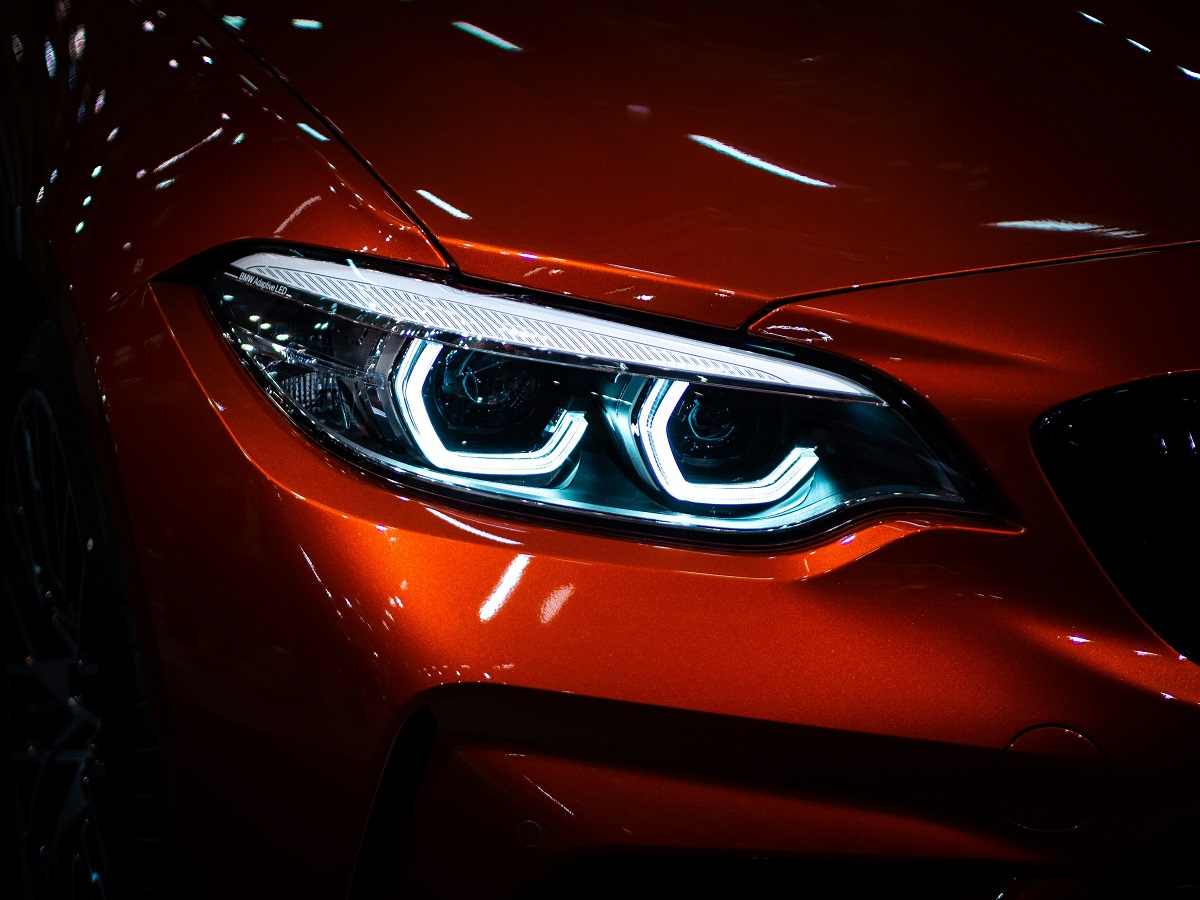
Before getting into hard numbers, it helps to understand why headlight repairs vary so widely. A handful of factors combine to determine your final bill, and they interact with each other in ways that can multiply costs quickly.
- Headlight type. Halogen units are the cheapest to replace, HID (xenon) units sit in the middle, and LED or laser assemblies with adaptive beam technology sit at the top of the price range.
- Vehicle make and model. Luxury and European brands tend to charge significantly more for OEM parts, and some models use proprietary assemblies that only one supplier makes.
- OEM versus aftermarket parts. Genuine manufacturer parts cost more but usually fit better and carry a warranty, while aftermarket parts can save money at the risk of inconsistent quality.
- Labor complexity. Some headlights pop out with a few screws. Others require removing the front bumper or fender liner, which adds hours to the job.
- Calibration needs. Many newer vehicles use headlights that are tied into driver assistance systems, and disturbing that wiring can trigger a recalibration requirement.
- Where you live. Labor rates and part markups differ by region, and metro areas typically run higher than smaller towns.
- Age and condition of the vehicle. Older vehicles sometimes use discontinued parts that are harder to source, which can push aftermarket or salvage pricing up despite the car itself being worth less.
- Whether the headlight is paired or independent. Some manufacturers recommend replacing both headlights together so the beam pattern and brightness match on each side, which roughly doubles the parts cost even if only one side was damaged.
None of these factors work in isolation. A luxury SUV with adaptive LED headlights, a body shop that has to remove the bumper to access the mounting bolts, and a requirement for post-repair calibration can turn what looks like a single cracked lens into a bill running into four figures. Meanwhile, a compact sedan with a simple halogen setup and an easily accessible bulb might only need a twenty-minute fix.
Breaking Down the Real Numbers
So, how much does it cost to replace a headlight when you add all of this up? Industry repair estimators report that most drivers land somewhere between $86 and $254 for a basic repair, with a straightforward halogen bulb swap running roughly $25 to $100 per side, according to auto repair marketplace Jerry, which based its figures on tens of thousands of customer repair requests. That is a reasonable number for a burned-out bulb or a minor crack, but it is nowhere near what a true post-accident repair typically costs.
When the damage goes beyond the bulb and into the housing or assembly, the math changes fast. A full assembly replacement, which is common after a collision because impact tends to crack the entire unit rather than just the bulb, generally runs from $150 to $1,000 depending on the vehicle, with premium or tech-heavy systems climbing well past that on luxury models. Installation research from Strobes N’ More points to a similar pattern, noting that a basic bulb swap installed by a shop averages in the $172 to $204 range according to RepairPal estimates, while full LED assembly parts alone can run from around $100 for simpler halogen units up to $300 or more for LED assemblies, with premium systems pushing past $1,000 per side before labor is even factored in.
Here is a rough breakdown to give you a mental map of where your repair might land:
- Bulb only, halogen: $20 to $100 in parts, often under $250 installed
- Bulb only, HID or LED: $30 to $300 depending on complexity
- Cracked lens or housing (assembly swap), standard vehicle: $150 to $800
- Full LED or adaptive assembly, luxury vehicle: $1,000 to $2,000 or more
- High-end laser or matrix systems: Can reach into the thousands per side
The Data Point That Explains Why Prices Keep Climbing
One of the clearest signals of where headlight costs are heading comes from insurance giant Allianz, whose research was recently covered by automotive outlet Carscoops. The company tracked how much a single replacement headlight costs on average and found the price nearly doubled in a decade, climbing from roughly $810 in 2015 to about $1,430 in 2025. Some individual units, particularly those loaded with adaptive lighting features, can run as high as $7,650 apiece. Allianz also reported that close to 870,000 headlights are damaged in accidents every year in Germany alone, which gives you a sense of just how common this type of repair really is across a large driver population.
The reason behind the jump is not mysterious once you look at what is inside a modern headlight. These are no longer simple bulbs behind a curved piece of plastic. Many current units pack in adaptive beam control, matrix LED arrays, laser-assisted high beams, and onboard electronics that communicate with the car’s broader sensor network. That complexity means even a minor crack in the outer lens can force a replacement of the entire unit, since these sealed assemblies typically are not designed to be opened and repaired piece by piece.
When a Small Crack Turns Into a Bigger Financial Problem
The second data point worth paying attention to comes from CCC Intelligent Solutions, an auto claims analytics firm, whose 2026 Crash Course report was summarized by insurance research site InsureMojo. The report found that a record 23.1 percent of all auto insurance claims in 2025 resulted in a total loss, the highest share the industry has ever recorded. Average repair costs across all claim types reached $4,818 in 2025, which is nearly double the $2,500 average from 2010.
This matters directly for headlight damage because of how repair estimates are now built. The same report noted that 28.3 percent of repairable estimates now require ADAS sensor calibration, which adds another $350 to $500 per sensor on top of the part and labor cost. Since headlights on many newer vehicles house or sit near forward-facing sensors and cameras used for automatic high beams, lane keeping, or adaptive cruise control, a seemingly minor collision that cracks the lens can trigger a calibration requirement that was not part of the original estimate. Combine that with an aging vehicle fleet, now averaging close to 13 years old, and it becomes easier to see why a repair that would have been routine five years ago can now push a claim closer to your car’s actual value, especially on older vehicles worth less to begin with.
Put these two data points together and a pattern emerges. Individual part prices are climbing because of added technology, and at the same time, the overall repair environment is shifting so that smaller accidents are more likely to result in bills large enough to threaten a total loss designation. A cracked headlight is rarely just a cracked headlight anymore.
Bulb, Assembly, or Sensor Calibration: Know What You Are Paying For
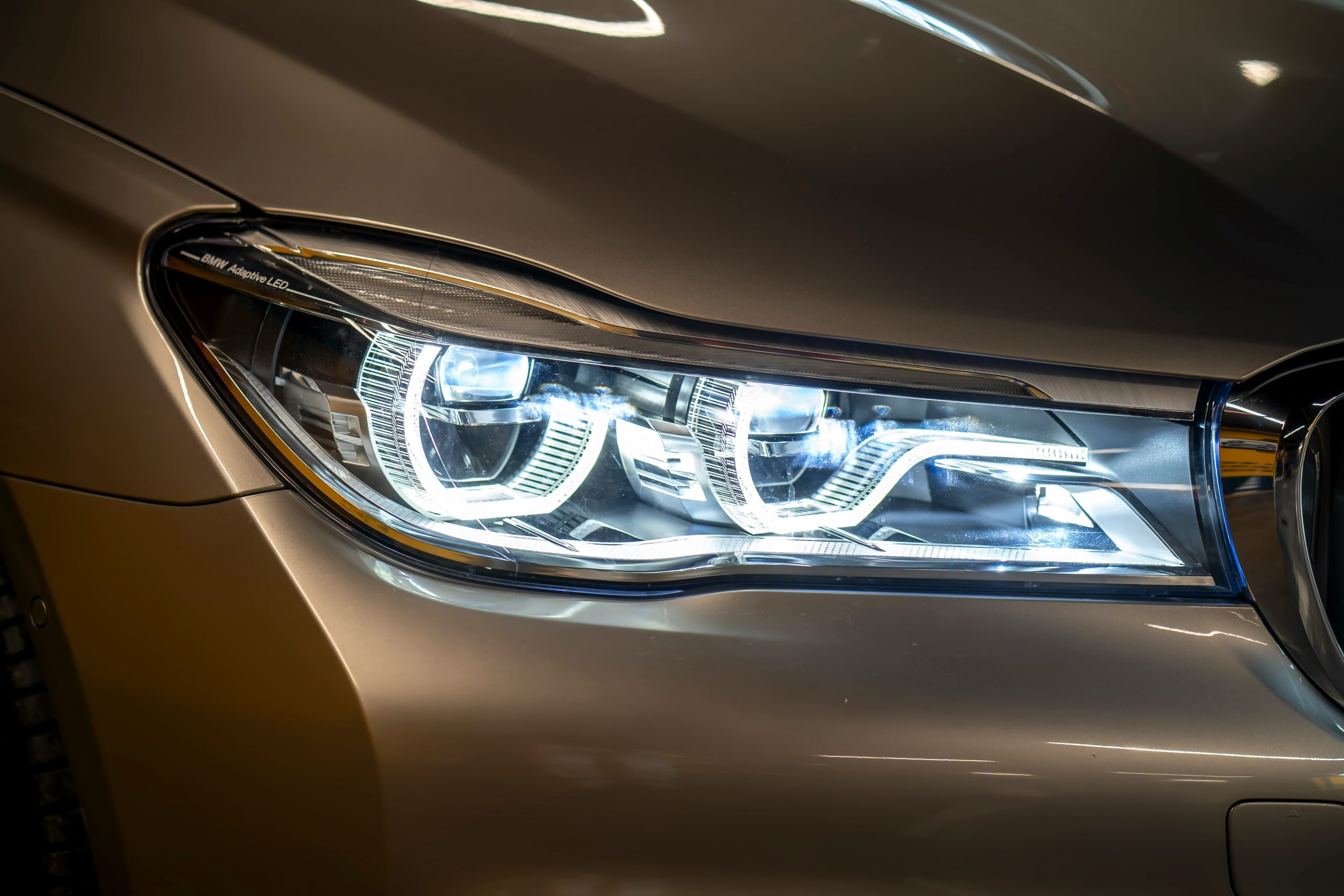
Before you agree to any repair estimate, it is worth asking your shop to specify exactly what category your damage falls into, since the terminology gets used loosely and it changes the price dramatically.
- Bulb replacement means only the light source itself needs swapping, and the housing, lens, and wiring are intact. This is the cheapest fix by far.
- Assembly replacement means the entire sealed unit, lens, reflector, housing, and often the bulb together, needs to come out and be replaced as one piece. This is typical after a collision because impact damage rarely stays contained to just the bulb.
- Calibration is a separate line item that applies when the headlight or a nearby sensor needs to be recalibrated so features like automatic high beams or adaptive lighting work correctly after the new part goes in.
Asking your shop to break the estimate down this way helps you understand whether you are being quoted for a full repair or just one piece of it, and it gives you a better basis for comparing quotes between shops.
How Insurance Fits Into the Picture
If your headlight was damaged in an accident that was not your fault, or that involved another vehicle, collision coverage on your policy can typically help cover the repair or replacement, subject to your deductible. This is a common example of collision damage repair after an accident, where the insurer steps in to pay for parts and labor once your deductible is met. Comprehensive coverage may apply if the damage came from something other than a collision, like a falling object or vandalism. It is worth noting that a single, relatively small claim for headlight damage alone often does not move the needle much on your premium, but insurers do track claim frequency, so a pattern of small claims within a short window can still affect your rate at renewal.
It is also worth understanding the difference between filing a claim against your own policy and filing against the other driver’s insurance if they were found at fault. When the other driver is clearly responsible, their liability coverage should pay for your repair without touching your own deductible or claims history at all. When fault is shared or unclear, you may need to file under your own collision coverage first and let the insurers sort out reimbursement between themselves later. Either way, keeping a paper trail of estimates, photos, and correspondence protects you if there is any dispute about what caused the damage or how much the repair should reasonably cost.
A few practical steps make the claims process smoother:
- Photograph the damage from multiple angles as soon as it is safe to do so
- Get at least two repair estimates so you have a baseline for comparison
- Ask your shop directly whether the estimate includes any required sensor calibration
- Confirm with your insurer whether OEM or aftermarket parts will be used, since this can affect both cost and how the repair holds up over time
Practical Ways to Keep Your Bill Under Control
You cannot always avoid an accident, but you do have some control over what you pay to fix the damage afterward. A few things that genuinely help:
- Get multiple quotes, since labor rates and part markups vary meaningfully between shops in the same city
- Ask specifically about OEM versus aftermarket parts and weigh the price difference against fit and warranty coverage
- Confirm whether your car’s headlight system requires calibration before assuming that cost is included
- Address minor cracks or foggy lenses quickly rather than waiting, since moisture intrusion can damage the internal wiring and turn a cheap fix into an expensive one
- Check whether your policy’s deductible is lower than the expected repair cost before filing a claim, since sometimes paying out of pocket makes more financial sense
Final Thoughts
A damaged headlight after an accident is one of those repairs that looks small from the outside but can carry a surprisingly large price tag once you factor in modern lighting technology, sensor calibration, and rising part costs across the industry. The data backs this up clearly: average headlight prices have climbed sharply over the past decade, and a growing share of accident claims are edging closer to total loss territory as repair costs keep rising faster than vehicle values on older cars. Getting a clear, itemized estimate, understanding whether you need a bulb, an assembly, or a calibration, and knowing how your insurance coverage applies will put you in a much stronger position the next time you find yourself staring at a cracked lens in your driveway.