Owning a vehicle is more than just a convenience; for many, it is a significant investment and a lifeline to the modern world. Whether you are commuting to a demanding job, embarking on a cross-country road trip, or simply running weekend errands, your car’s reliability dictates the quality of your day. However, a vehicle is a complex machine composed of thousands of moving parts, all subject to friction, heat, and environmental wear. The secret to a vehicle that lasts 200,000 miles and beyond isn’t just luck—it’s a commitment to essential repairs and strategic upgrades. This guide explores the multifaceted world of automotive care, from the structural integrity of the chassis to the high-tech enhancements that make driving a pleasure.
The Foundation of Safety: Braking Systems
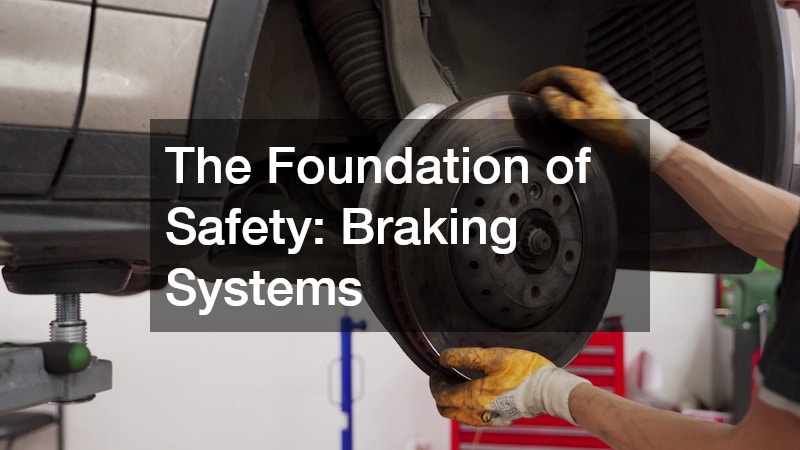
The most critical safety feature of any vehicle is not the airbag or the seatbelt, but the ability to stop reliably. Over time, the heat generated by friction wears down the components that allow your vehicle to decelerate. Neglecting this system doesn’t just lead to squealing noises; it significantly increases your stopping distance and puts your life at risk.
Reliable auto brake services are the cornerstone of vehicle safety. During a standard inspection, a technician will check the thickness of your brake pads and the condition of your rotors. If you feel a pulsation in the pedal or hear a grinding metal-on-metal sound, it is likely that your pads have worn completely through, requiring immediate intervention to prevent damage to the calipers.
Beyond the hardware, the hydraulic fluid that powers the system is equally important. Brake fluid is hygroscopic, meaning it absorbs moisture from the air over time. This can lead to internal corrosion and a “spongy” pedal feel. Professional mechanics recommend flushing the brake fluid every two years to maintain optimal pressure and boiling points, ensuring that your brakes perform perfectly even under heavy loads or steep descents.
Understanding Brake Component Life Cycles
-
Brake Pads: Typically last between 30,000 and 70,000 miles depending on driving style.
-
Rotors: Often require resurfacing or replacement every second pad change.
-
Brake Lines: Should be inspected for cracks or leaks during every oil change.
-
Master Cylinder: The heart of the system; failure leads to total loss of braking pressure.
Precision Handling and Tire Longevity
Have you ever noticed your steering wheel vibrating at high speeds or your car pulling slightly to one side? These are telltale signs that your vehicle’s geometry is out of sync. While it might seem like a minor annoyance, poor alignment accelerates tire wear and forces your engine to work harder to overcome the resistance of “dragging” a tire sideways.
Securing a professional alignment service is one of the most cost-effective ways to extend the life of your tires. When a vehicle is properly aligned, all four wheels are parallel to each other and perpendicular to the ground.
Furthermore, keeping your tires balanced and rotated is part of a holistic auto repair service strategy. Even a brand-new tire can have slight weight discrepancies. Using specialized machinery, technicians add small weights to the rim to ensure the wheel spins evenly.
Signs Your Alignment Needs Attention
-
Uneven Tread Wear: One side of the tire is significantly smoother than the other.
-
Off-Center Steering Wheel: Your car goes straight, but the logo on the wheel is tilted.
-
Squealing Tires: Excessive friction during turns can cause the rubber to “protest” loudly.
-
Increased Fuel Consumption: Misalignment creates “scrubbing” resistance that kills MPG.
Structural Integrity After the Unexpected
Accidents are a stressful reality of driving. Whether it’s a minor parking lot fender-bender or a more significant high-speed impact, the structural integrity of your vehicle is often compromised in ways the naked eye cannot see. Modern cars are designed with “crumple zones” that absorb energy, but once these zones are deployed, they must be expertly restored.
Specialized auto collision repair involves more than just slapping on a new bumper. Technicians use frame-straightening machines and laser-measuring systems to ensure the chassis is returned to its factory specifications. T
In addition to structural work, cosmetic restoration plays a huge role in maintaining the resale value of your car. Using computer-matched paint technology, a high-quality auto repair service can blend new paint seamlessly with the existing finish.
Post-Collision Checklist
-
Frame Analysis: Ensure the “bones” of the car are straight.
-
Paint Matching: Use UV-resistant clears to prevent fading.
-
Sensor Calibration: Modern bumpers house parking sensors and radar that must be reset.
-
Panel Gap Inspection: Uniform gaps between doors and fenders indicate a quality repair.
Smoothing Out the Journey: The Chassis

Your car’s suspension system does more than just provide a comfortable ride; it keeps your tires in contact with the road. Every bump, pothole, and dip is managed by a series of shocks, struts, springs, and bushings. When these components wear out, your vehicle loses its ability to “plant” itself during cornering and braking.
If your car continues to bounce several times after hitting a bump, it is time for a suspension repair. Worn shocks or struts allow the vehicle’s weight to shift uncontrollably, which can lead to “nose-diving” during hard stops.
Moreover, the various rubber bushings in the control arms and sway bars can dry rot over time. When these fail, you may hear “clunking” sounds when driving over uneven surfaces. Trusted mechanics will inspect these components for cracks or fluid leaks.
Key Suspension Components to Monitor
-
Shock Absorbers: Dampen the “bounce” of the springs.
-
Struts: A structural part of the suspension that often incorporates the shock.
-
Control Arms: The hinges that allow the wheels to move up and down.
-
Ball Joints: Pivot points that allow the wheels to turn while the suspension moves.
Security and Access in the Modern Age
We often take for granted the ability to enter and start our vehicles until the moment we can’t. Modern vehicle security has evolved from simple metal keys to complex encrypted fobs and transponders. While this has drastically reduced car theft, it has also made the process of replacing “keys” a technical endeavor.
Certified auto locksmiths provide a vital service that goes beyond just unlocking a door when you’ve left your keys on the seat. They possess the specialized hardware needed to program new transponder chips and sync them with your car’s Immobilizer System. If your ignition cylinder becomes sticky or fails to turn, these professionals can often rebuild the lock rather than requiring a total steering column replacement.
Additionally, many high-end vehicles now use “Smart Keys” or proximity fobs. If these are lost, the dealership often charges a premium for replacements. However, many independent auto locksmiths offer the same technology and programming at a fraction of the cost. Keeping a spare programmed key is an essential “repair” to your peace of mind, ensuring you are never stranded due to a simple electronic failure or a lost pocket item.
Common Lock and Key Issues
-
Worn Transponder Chips: The car may crank but won’t start because it doesn’t “recognize” the key.
-
Broken Key Fob Casings: Buttons wear out, preventing remote entry.
-
Ignition Tumbler Failure: The key goes in but refuses to turn due to internal debris.
-
Dead Fob Batteries: A simple fix that often mimics a much larger electronic problem.
Clarity and Protection: Glass Services

The windshield is a structural component of your vehicle, contributing significantly to the roof’s strength during a rollover. Even a small chip from a pebble on the highway can quickly spider-web into a massive crack due to temperature changes and road vibrations. Maintaining clear, intact glass is non-negotiable for safe operation.
When a crack exceeds the size of a dollar bill or sits directly in the driver’s line of sight, an auto window replacement is the only safe option. Modern windshields often house Rain Sensors and Advanced Driver Assistance Systems (ADAS) cameras. Replacing the glass requires not just physical installation, but also the recalibration of these cameras to ensure your lane-departure warnings and emergency braking systems function correctly.
Beyond simple replacement, many drivers opt for auto window tints as a functional upgrade. High-quality ceramic tints block up to 99% of harmful UV rays, protecting your interior upholstery from cracking and your skin from sun damage. Tints also significantly reduce “thermal gain,” meaning your air conditioning doesn’t have to work as hard in the summer, which can actually improve your fuel efficiency over time.
Benefits of Quality Glass Maintenance
-
Structural Integrity: The windshield supports the passenger-side airbag deployment.
-
Reduced Glare: Tints and clean glass prevent night-time blindness from oncoming traffic.
-
Privacy and Security: Tints make it harder for thieves to see valuables inside.
-
Resale Value: Pitted or cracked glass is one of the first things buyers notice.
Enhancing the In-Cabin Experience
While much of auto repair focuses on the mechanical, the “quality of life” inside the cabin is what makes a long drive bearable. Standard factory audio systems are often made of cheap paper cones and underpowered amplifiers that struggle to overcome road noise. Upgrading this system is a popular way to modernize an older vehicle.
Modern auto sound systems offer more than just louder music; they provide better clarity and connectivity. Upgrading to a “head unit” that supports smartphone integration allows for hands-on-the-wheel navigation and voice-to-text features. Many mechanics who specialize in electronics can install “sound deadening” material inside the door panels, which reduces external road noise and allows the speakers to perform at their peak.
Furthermore, integrating subwoofers or higher-quality mid-range speakers can fill out the sound profile, making your car feel like a mobile concert hall. This is an upgrade that you benefit from every single second you are behind the wheel. When combined with other interior comforts, it transforms a utilitarian machine into a personalized sanctuary.
Must-Have Audio Upgrades
-
Apple CarPlay/Android Auto: Essential for modern navigation and hands-free safety.
-
Component Speakers: Separates the “highs” (tweeters) from the “lows” (woofers) for better soundstage.
-
Amplifiers: Provide the clean power needed to prevent distortion at higher volumes.
-
Backup Cameras: Often bundled with new screen installs to increase safety.
The Role of Professional Diagnostics
The modern vehicle is essentially a computer on wheels. From the Engine Control Unit (ECU) to the Transmission Control Module (TCM), there are dozens of sensors monitoring everything from oxygen levels in the exhaust to the pressure in your tires. When a “Check Engine” light appears, it isn’t a suggestion—it’s an early warning.
Skilled mechanics use OBD-II scanners to read “trouble codes” stored in the car’s memory. However, the code is just the starting point. For example, a code for a “lean fuel mixture” could mean a vacuum leak, a failing fuel pump, or a dirty mass airflow sensor.
Routine inspections are part of a comprehensive auto repair service. By catching a leaking water pump or a frayed drive belt during a routine oil change, you avoid the catastrophe of a broken belt leaving you stranded on the highway.
The Diagnostic Process
-
Code Scanning: Retrieving the digital “cry for help” from the computer.
-
Visual Inspection: Checking for physical leaks, cracks, or burnt wires.
-
Live Data Monitoring: Watching how sensors behave while the engine is running.
-
Report Generation: Providing the owner with a prioritized list of needed repairs.
Protecting the Exterior and Interior
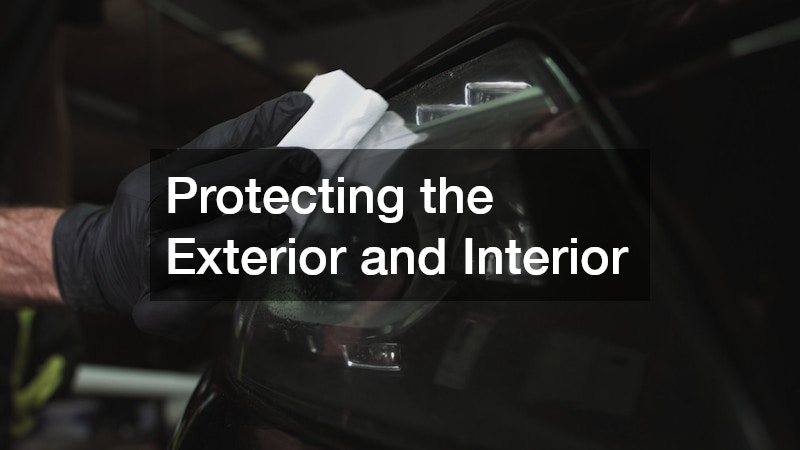
A vehicle’s aesthetic condition is often a reflection of its mechanical health. If a car is covered in rust or the interior is shredded, it’s a safe bet the oil hasn’t been changed either. Beyond just washing and waxing, there are functional upgrades that protect the “skin” of your car from the elements.
As mentioned previously, auto window tints are a dual-purpose upgrade. While they look great, their primary job is to act as a barrier against infrared heat. This prevents the dashboard from warping and the leather seats from drying out.
Similarly, if you have suffered minor dings or scratches, seeking out an auto collision repair specialist for “Paintless Dent Repair” (PDR) can be a miracle worker. PDR allows technicians to massage dents out from the inside of the panel without needing to repaint.
Tips for Aesthetic Longevity
-
Ceramic Coating: A long-term liquid polymer that makes washing easier and protects paint.
-
Undercoating: Essential in “salt belt” states to prevent the frame from rusting.
-
Headlight Restoration: Polishing foggy lenses to improve night-time visibility.
-
Interior Detailing: Steam cleaning carpets to remove salt and grime that can cause odors.
A road-ready vehicle is the result of a partnership between an observant owner and skilled professionals. From the structural repairs that follow an accident to the small electronic tweaks that make a car feel modern, every action you take adds value and longevity. While it can be tempting to delay maintenance to save a few dollars today, the long-term costs of neglect—both financial and in terms of safety—are far too high.
By treating your vehicle as a vital asset and staying ahead of its needs, you gain more than just a working machine. You gain the confidence to drive anywhere, at any time, knowing that your brakes will bite, your steering will be true, and your engine will hum with efficiency. Keep your eyes on the road, your ears open for new noises, and your schedule open for routine check-ups. Your car has a long life ahead of it; make sure you’re there to see it through.